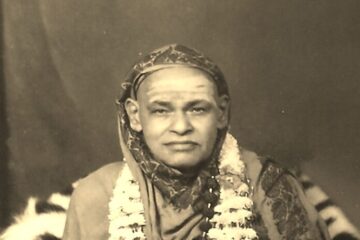
Svāmī Jñānānandendra Sarasvatī Mahārāja, Advaita Jijñāsa 1

Этот краткий трактат в форме диалога, Advaita Jijñāsa, “Желание познать Веданту» является ценным синтезом доктрины Веданты, с помощью которого исправляются различные ошибки, типичные для неоведантина.

Questo breve trattato in forma di dialogo, Advaita Jijñāsa, “L’attrazione per la conoscenza non duale”, è una preziosa sintesi della dottrina vedāntica con cui si rettificano diversi errori tipici del Neo-Vedānta.
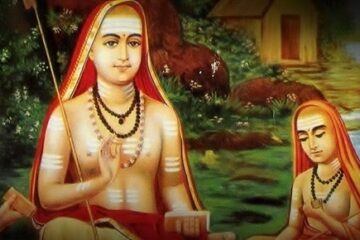
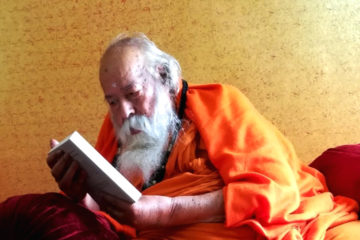
Всемогущество Брахмы – L’onnipotenza di Brahman di Śrī Śrī Svāmī Satcidānandendra Sarasvatī Mahārājajī

Брахму часто называют всеведущим и всемогущим Господом (sarvajñaḥ sarvaśaktirīśvaraḥ), первопричиной рождения, поддержания и разрушения мира. Два момента могут вызвать сомнения у начинающего…

Brahman è spesso descritto come l’onnisciente e onnipotente Signore (sarvajñaḥ sarvaśaktirīśvaraḥ), causa della nascita, mantenimento e dissoluzione del mondo. Due dubbi possono insidiare la mente del principiante…

Due parole sulla fede

“La fede è espressa in sanscrito dalla parola śraddhā. La Bhagavad Gītā (XVII.2-3) afferma: “La śraddhā di ogni essere vivente sorge dalla sua stessa natura ed è triplice. Quella della purezza [sorge] da sattva, quella della passione da rajas e quella dell’inerzia da tamas. O discendente di Bharatha, la fede di un essere umano è connaturata alla sua mente. Ogni persona è costituita dalla sua śraddhā. In verità ognuno è quello che è la sua fede”. Da questa affermazione scritturale si deduce che śraddhā assume caratteristiche diverse a seconda della prevalenza di un guṇa sugli altri due”. Da questa premessa viene sviluppato dall’Autore, questo breve ma efficace articolo che ci propone spunti di riflessione inusuali su di una tematica nevralgica in ogni via spirituale.

Meister Eckhart and the Knowledge of the Absolute. Analogies with Advaitavāda – Presentation

Like the oil in sesame seeds, like butter in yogurt, like water in underground springs, like fire in the wood, so the Self is realised as existing within the self, thanks to the truthfulness, to austerity and meditation. Constantly seek this Self, which is omnipresent like butter in milk, rooted in the knowledge of the Self and in meditation, the Supreme Brahman, which destroys ignorance.

Śvetāśvatara Upaniṣad (1.15-16)

Religion and Dharma

The term Religion derives from the Latin Religio, and is composed by two different roots, res, i.e. “thing”, and the verb ligo, “to tie”. In this context it is not clear the real meaning of res, thing. It seems that res has been used to define all the citizens and the public goods included in the State apparatus. The State, in fact, was considered as a sacred entity, public ceremonies as rituals, public service as priesthood. The contacts with the Gods were mostly maintained trough the State, the public deeds and the state magistracies.