Meister Eckhart and the Knowledge of the Absolute. Analogies with Advaitavāda – Presentation

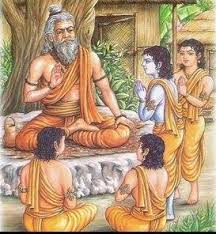
Like the oil in sesame seeds, like butter in yogurt, like water in underground springs, like fire in the wood, so the Self is realised as existing within the self, thanks to the truthfulness, to austerity and meditation. Constantly seek this Self, which is omnipresent like butter in milk, rooted in the knowledge of the Self and in meditation, the Supreme Brahman, which destroys ignorance.

Śvetāśvatara Upaniṣad (1.15-16)

Religion and Dharma

The term Religion derives from the Latin Religio, and is composed by two different roots, res, i.e. “thing”, and the verb ligo, “to tie”. In this context it is not clear the real meaning of res, thing. It seems that res has been used to define all the citizens and the public goods included in the State apparatus. The State, in fact, was considered as a sacred entity, public ceremonies as rituals, public service as priesthood. The contacts with the Gods were mostly maintained trough the State, the public deeds and the state magistracies.

Religione e Dharma

Il termine Religione deriva dal latino Religio, ed è composto da due radici diverse, res, “cosa” e il verbo ligo, “legare”. In questo contesto non è chiaro quale possa essere il vero significato di res. Sembra che in res, così impiegato, rientrino tutti i cittadini e i beni pubblici inclusi nell’apparato statale. Lo Stato era infatti considerato un’entità sacra, le cerimonie pubbliche erano rituali e nel servizio pubblico si espletava una funzione sacerdotale. I contatti con gli Dei erano per lo più mantenuti attraverso lo Stato, le funzioni pubbliche e le magistrature statali.